IMF Upgrades UK Growth Forecast but Warns Energy Prices and Rates Will Bite in 2027
The International Monetary Fund has upgraded its UK growth forecast for 2026 to 1.3% while trimming 2027 to 1.2%, warning that higher energy prices and long-term interest rates will weigh on households and investment - just weeks before Chancellor John Healey's first budget.
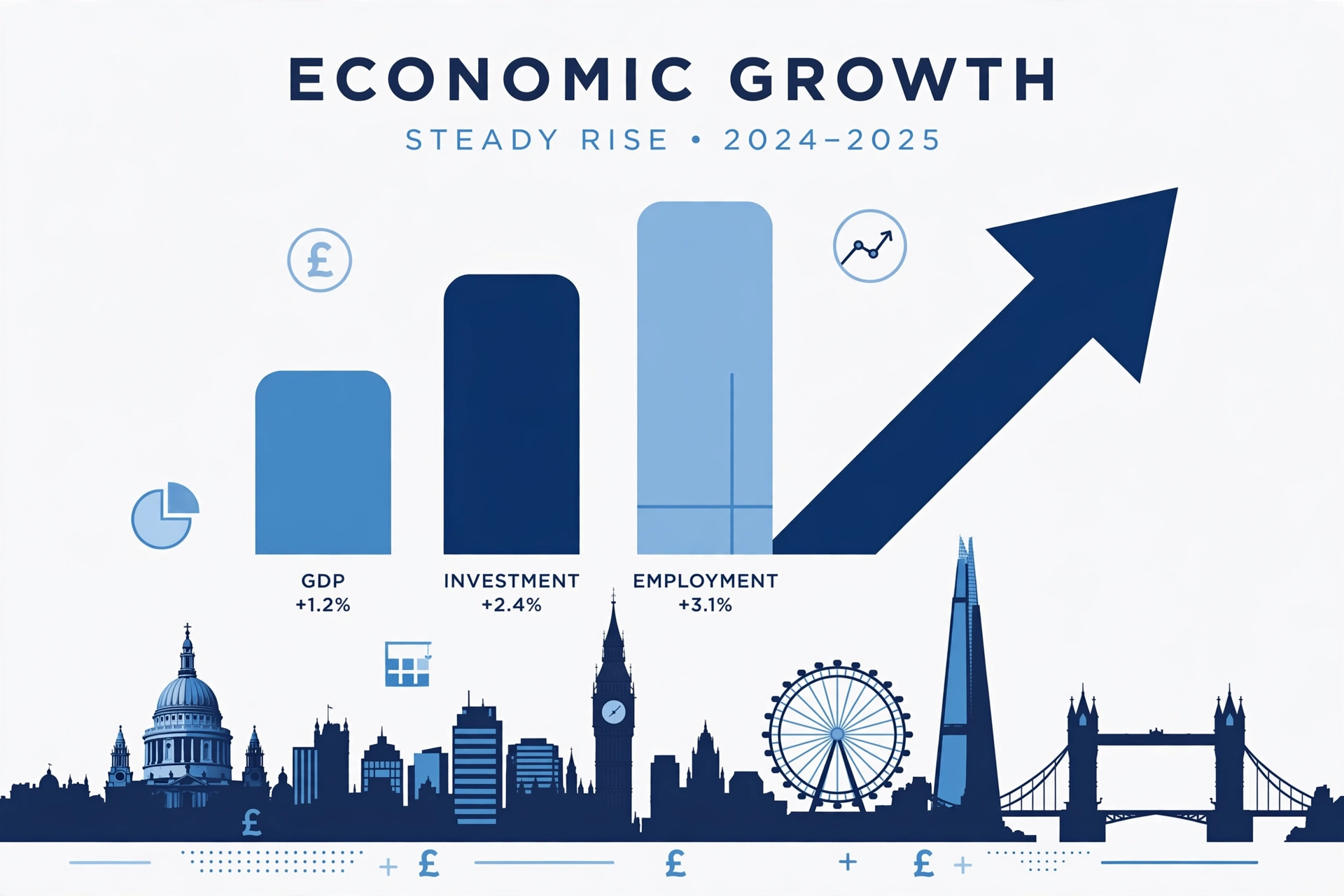
The International Monetary Fund raised its UK economic growth forecast for 2026 to 1.3% in its October World Economic Outlook, up from 1.0% in July and 0.8% in April - making Britain, alongside Germany, the joint second-fastest growing economy in the G7.
But the Fund trimmed its 2027 projection to 1.2% from 1.3%, warning that "higher energy prices and long-term interest rates (will) weigh on consumption and investment."
Inflation still above target
The IMF expects UK inflation to average 3.3% this year and 2.8% in 2027 - both above the Bank of England's 2% target - with the Bank itself projecting inflation above 4% early next year as the energy price cap rises in January. Unemployment is forecast to average 5.3%.
Budget looms
The outlook lands two weeks before Chancellor John Healey's first budget on October 28, and after UK long-term borrowing costs hit their highest level since 1998 last week, according to Reuters and BBC reporting on the Fund's briefing in Bangkok. The upgrade hands Healey a stronger headline number, but the 2027 warning leaves little room for giveaways.
Sources & verification
This story was checked against the sources below before publication. Primary sources are listed first; independent reporting is used to corroborate, never to copy.
Related stories
UK Economy Unexpectedly Grows 0.1% in August Ahead of Chancellor’s First Budget
The UK economy grew by 0.1% in August, official figures showed on Thursday, defying forecasts of a contraction and giving the Chancellor a boost ahead of his first Budget.
Japan's Wholesale Inflation Stays Elevated at 6.8%, Keeping BOJ Rate-Hike View Alive
Japan's corporate goods price index rose 6.8% year on year in September, below the 7.6% forecast and August's 7.6% gain, as companies kept passing on higher fuel and chemical costs. The yen-based import price index surged 24.5%, showing currency weakness is still inflating raw-material costs. The data will feed into the Bank of Japan's fresh growth and inflation forecasts at this month's policy meeting.
Asian Stocks Slide on AI Funding Worries as Oil Dip Lifts Wall Street Futures
Asian shares slipped on Monday as unease over AI funding needs weighed on markets ahead of earnings week: the Nikkei fell 0.7% and Taiwan 1.1%. A dip in oil prices — Brent down 1.8% at $107.83 — aided Wall Street futures and bonds.